Making my album Ownership back in 2007 meant gathering my musos one plane ticket or toll road at a time. I had to fly my drummer in from San Francisco. One bass player drove up from Bethlehem, PA, another from Brooklyn. I constantly had to arrange transport for my percussionist in Harlem and pay gas and tolls for many other musos coming from either the outer boroughs or places up and down the Atlantic coast. And that was just the New Jersey end of things.
For the South African sessions, I flew across the Atlantic, set up a studio in Johannesburg, and worked to bring in the singers, horn players, and percussionists I needed, some of them making their own journeys from Durban and Cape Town just to be in the room. That’s what it took to make the record I heard in my head. That world still exists, but it’s no longer the only world.
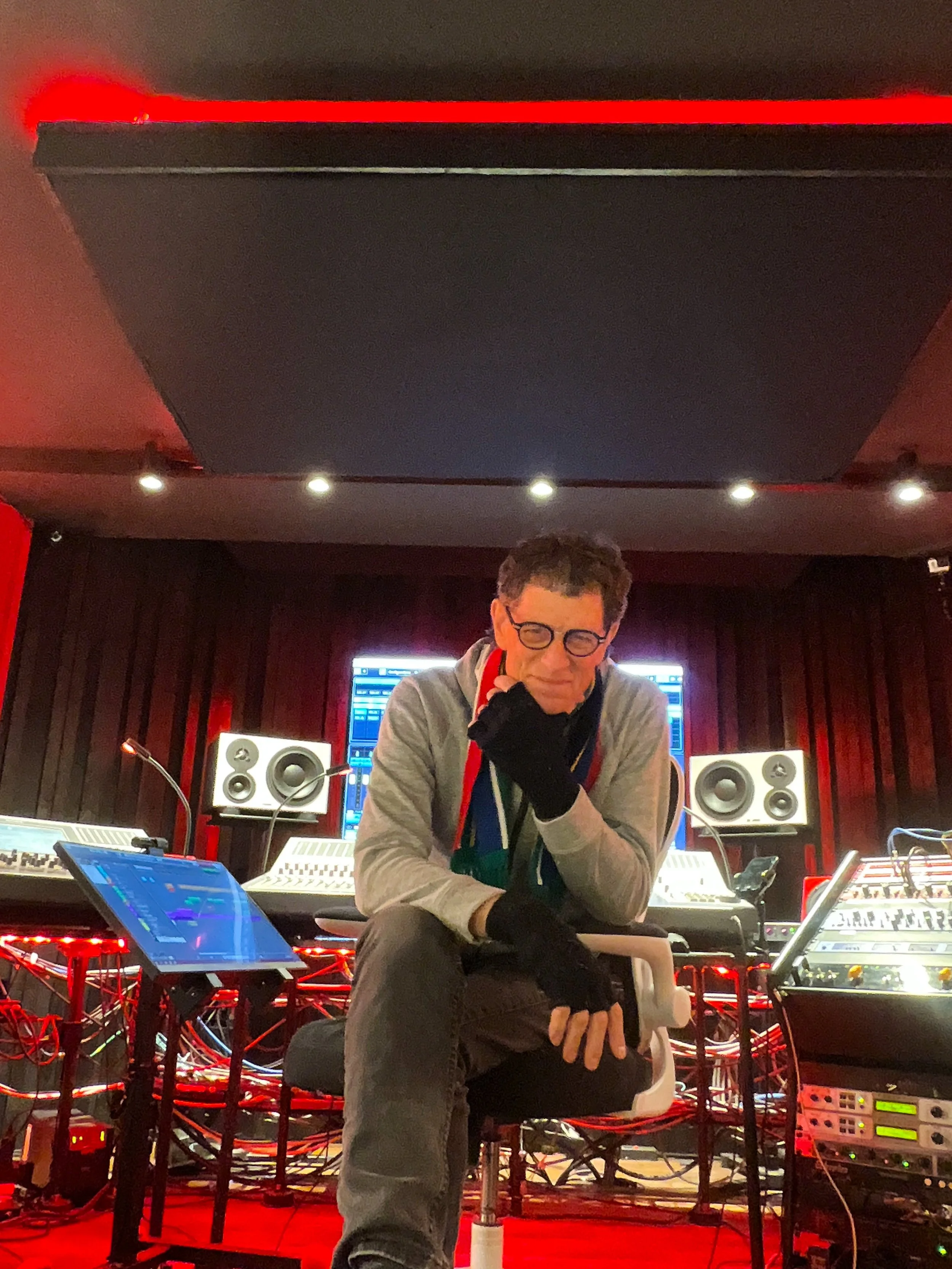
Technology has fundamentally changed what “being in the studio” means. Cloud-based DAW sessions, ultra-low-latency audio streaming, and high-resolution file transfer have made it possible to work in real time with a guitarist in LA, a tabla player in Durban, singers and horn players in Joburg, an mbira player in Harare, and a mastering engineer in Portland, Maine, all while sitting in front of the console in Asbury Park.
Our work with The Headroom Studio in Durban, South Africa is a perfect example. Projects that once would have required expensive international travel and costly shipping, or gear rental, now happen through carefully coordinated sessions using platforms like Sessionwire and Steinberg’s VST Connect, allowing audio signals and files to transfer seamlessly back and forth across the Atlantic. You may not all be physically in the same space, but when the technology works, you can sure make it feel that way.
So what this means is, you’re no longer limited to talent in close proximity. NOW you can bring in the cats you REALLY want for the project, not just who’s geographically convenient, and save some serious ducats in the process.
But here’s the thing technology can’t do: it can’t tell you who the right people are. It can’t tell you who can play a better feel for a particular track. It can’t replace the judgment that comes from decades of listening, from knowing whether a vocal crack is a mistake or a magical moment, from understanding how the drums should sit in the sonic landscape, from knowing what a mix needs before you can articulate it. That part is still human. That part is still ears.
The recording studio of today has expanded way beyond its physical limitations. Technology now allows multiple creative orbits from around the world to align in a shared virtual space that exists wherever the music needs it to. BTW, Ikhaya Studios has firmly established itself as a portal in that space. So, you ready to beam your project up?